Manila
street food
Manila street food costs almost nothing and is safe if you follow one rule: eat where the queue is. Start with isaw — grilled chicken or pig intestine, ₱10–25 a stick, and the canonical initiation, best at Mang Larry's on the UP Diliman campus at ₱20. Add kwek-kwek (quail eggs in orange batter, ₱15–30), banana cue or turon for merienda, and taho from the morning vendors. Balut, the fertilised duck egg at ₱25–40, is a psychological challenge rather than a health risk. Bring cash in small notes.
Every Manila street food, priced
| What | It is | Price | Verdict |
|---|---|---|---|
| Isaw | Grilled chicken or pig intestine on a stick, basted and charred | ₱10–25 | WORTH IT |
| Fishball / kikiam | Fried and dunked in your choice of sweet, sour or spicy sauce | ₱5–15 | WORTH IT |
| Kwek-kwek | Quail eggs in bright orange batter, deep fried | ₱15–30 | WORTH IT |
| Taho | Warm silken tofu, arnibal syrup and sago, from a morning vendor's buckets | ₱20–50 | WORTH IT |
| Banana cue / turon | Caramelised saba banana on a stick, or wrapped and fried | ₱15–40 | WORTH IT |
| Sorbetes | “Dirty ice cream” from a cart — get it in a pandesal bun | ₱20–50 | WORTH IT |
| Balut | Fertilised duck egg, 16–18 days. A rite of passage, not a risk | ₱25–40 | DEPENDS |
| Adidas / Betamax / helmet | Grilled chicken feet, congealed blood, chicken head. The dares | ₱10–25 | DEPENDS |
| Tapsilog | Cured beef, garlic rice, fried egg. How Manila nights end | ₱120–250 | WORTH IT |
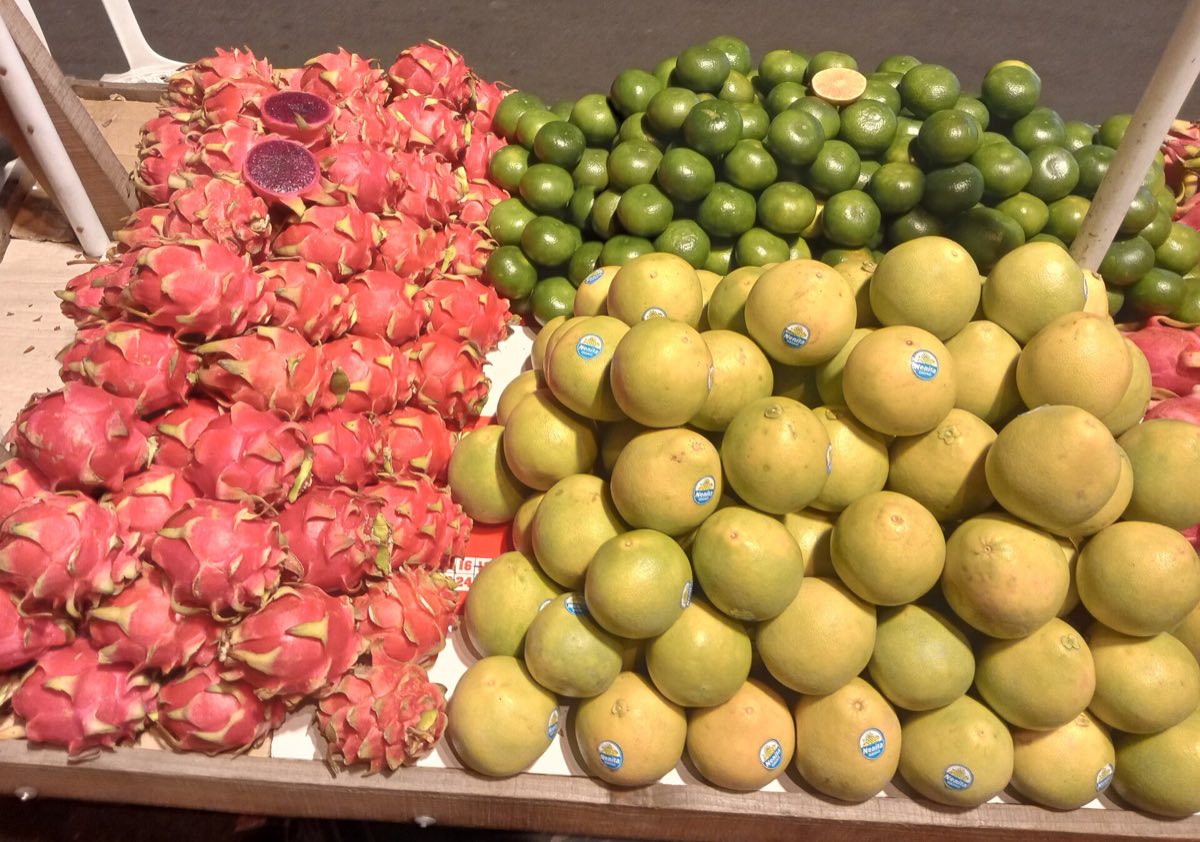
| Pre-cut fruit from a cart | The one thing we would skip — washing water is the variable | ₱20–50 | SKIP |
Everything here is cash, and vendors rarely have change for a ₱1,000 note — “walang barya” (no change) is a national condition. Carry ₱20s, ₱50s and ₱100s.
Four rules for eating on the street
High turnover is the entire food-safety strategy. A vendor with a queue at noon is safer than a quiet one at 3pm with food sitting out. Watch it hit the grill.
The shared sauce containers that everyone dunks a half-eaten fishball into are the one genuine hygiene weak point. Ask for sauce poured, or go without.
Tap water is not drinkable in Metro Manila — brushing your teeth is fine, drinking is not. Ice at proper restaurants is made from purified water and is fine; fruit cut hours ago and washed in unknown water is not.
Bottled water ₱20–30Merienda (around 4pm) and after-work (6–8pm) are when stalls are busiest and stock turns fastest. Late-night tapsilog joints run 24 hours and cook everything fresh.
The best places to eat on the street
Street food in Manila clusters around universities, transport hubs and church plazas, not tourist areas.
UP Diliman, Quezon City. Mang Larry's isaw at ₱20 a stick is the reference point, with a queue to match. The campus is open and green and the whole strip is student-priced.
Quiapo. The dares — chicken feet, congealed blood, heads — are sold around the plaza, along with everything else. Go in daylight and keep your bag in front of you. See the Quiapo page first.
Binondo. A different tradition — Chinese-Filipino rather than Filipino street grilling — but the Estero canal-side stalls are the badge-of-honour stop and the fried siopao queues are real.
Anywhere at 2am. The tapsilog joints, descended from the Tapsi ni Vivian lineage and chains like Rufo's, are open around the clock and cost ₱120–250. This is the meal that ends a night in Poblacion.
Fast food, honestly: Jollibee is genuinely part of the culture — around 1,300 branches, one of very few markets where McDonald's is second. Order Chickenjoy, Jolly Spaghetti and a peach-mango pie once. Mang Inasal's unlimited-rice grilled chicken is arguably the better meal.
Eating the street with a guide
A street-food tour is the one guided product we would recommend to a first-timer without hesitation — mostly because knowing which stall to trust is the entire skill.
Manila street food FAQ
Is Manila street food safe?
Yes, with the standard precautions: eat where there is a queue, take only what is cooked to order in front of you, skip the communal dip bottles and pre-cut fruit, and go at peak times when stock turns fastest. Tap water is not drinkable; ice at proper restaurants is fine.
What is isaw?
Grilled chicken or pig intestine on a bamboo skewer, cleaned, boiled and then charred over coals with a basting sauce. It costs ₱10–25 a stick and is the standard initiation into Filipino street food. Mang Larry's at UP Diliman, at around ₱20, is the famous one.
Should I try balut?
It is a fertilised duck egg at 16–18 days, eaten warm, and it costs ₱25–40 from evening vendors. The challenge is entirely psychological — it is cooked, and no less safe than any other boiled egg. Filipinos will be delighted if you try it and will not judge you if you do not.
How much money do you need for street food in Manila?
₱200–300 will feed you generously for a day of grazing. Individual items run ₱5–40, a tapsilog meal ₱120–250, and a carinderia rice-and-viand lunch ₱50–150. Bring small notes — vendors genuinely cannot change ₱1,000.
Where is the best street food in Manila?
UP Diliman in Quezon City for isaw and student prices, Quiapo for the full range including the dares, and Binondo for the Chinese-Filipino tradition. Tourist districts are the worst place to look — the good stalls follow universities, transport hubs and churches.