Plan a trip
to Manila
Everything administrative in one place: entry, money, SIM cards, health and the handful of rules that catch visitors out.
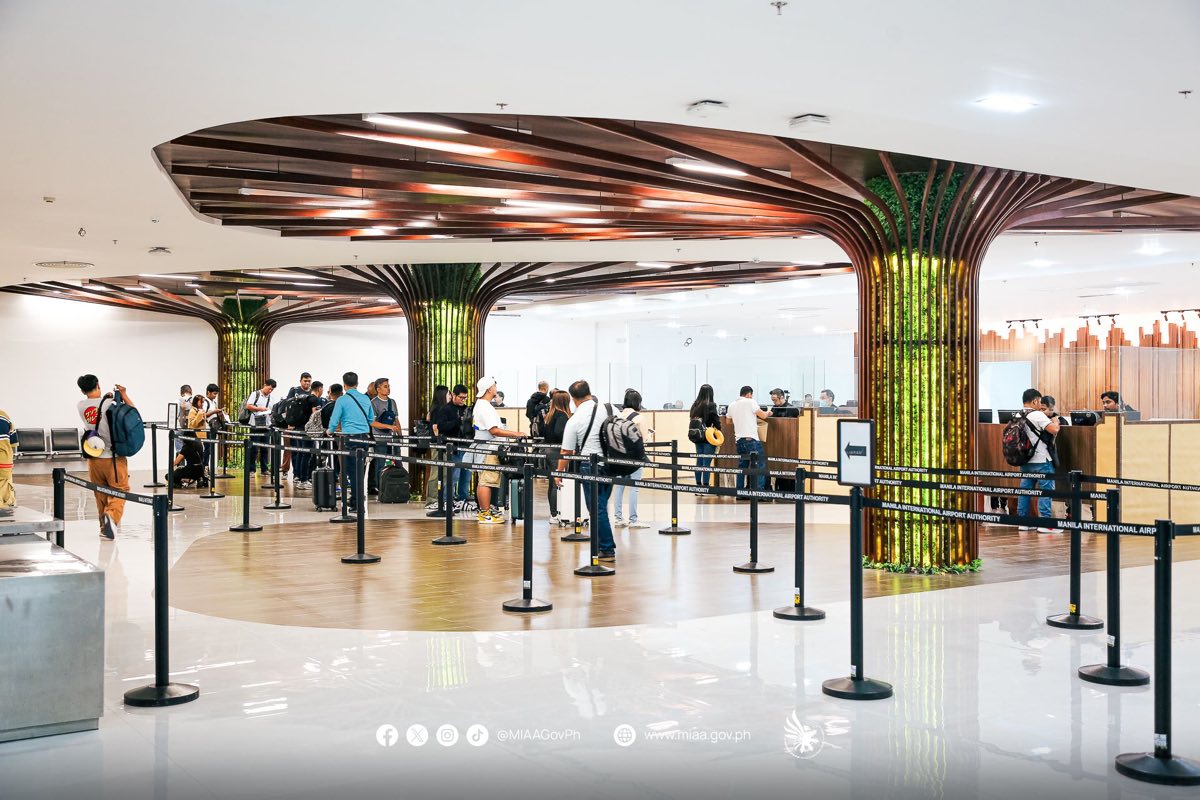
Around 157 nationalities get 30 days visa-free, extendable in person to a maximum of 36 months. Register the free eTravel QR within 72 hours of arrival, and have an onward ticket — airlines enforce it. The peso sits near ₱61 to the dollar, so Manila is cheaper in dollar terms than it was in 2024. Cards work in malls and Grab; cash rules jeepneys, markets and small eateries. Travel insurance is not optional — private hospitals here run a deposit culture of ₱30,000–100,000+ without it. And drugs carry 12 years to life, with no exceptions.
How to pay for things in Manila
| Method | Where it works | Watch out |
|---|---|---|
| Cash (₱) | Jeepneys, markets, trikes, Binondo, street food, small eateries | “Walang barya” — no change. Carry ₱2,000–3,000 a day in ₱20s, ₱50s and ₱100s |
| Cards | Malls, hotels, Grab, mid-range and up restaurants | Decline dynamic currency conversion every time |
| ATMs | Everywhere. Bank-lobby and mall machines are safest | ₱250 foreign-card fee is near-universal and caps run ₱10,000–20,000 — withdraw big |
| GCash / Maya | QR codes on every sari-sari store | Tourists can register with a PH SIM and passport. Worth trying, not essential |
| Money changers | Sanry's and Czarina in Ermita and Makati | 0.5–1% off mid-market, far better than airport counters. Count on the tray |
A 10% service charge is near-universal at sit-down restaurants and goes to staff by law — extra tipping is optional. Grab drivers ₱20–50, bellhops ₱50–100.
SIM cards and eSIMs
| Option | Price | Notes |
|---|---|---|
| Smart tourist SIM | ~₱249 for 7 days unlimited | Widest island coverage. Registration law means passport at point of sale, 5–10 minutes |
| Globe | ₱99 for 8–9GB | Equal to Smart in the cities, strong eSIM support |
| GOMO | ₱299 for 25GB, no expiry | Cult favourite for longer stays |
| DITO | Cheapest | Metro-only logic — fine if you never leave the city |
| Airalo and other eSIMs | $11.50–71 | Two to four times local cost, but live before you land |
SIM booths operate at NAIA Terminals 1 and 3, with T3 open 24 hours. Metro 5G is genuinely fast at 100–300Mbps, and fibre in hotels and cafés has left the complaints list entirely since 2022.
Laws and rules tourists trip over
Zero tolerance, statutes with mandatory minimums, and nightlife stings genuinely happen. This is the one line in this guide with no nuance behind it.
Barangay and SK elections fall on 2 November 2026 — expect a nationwide liquor ban across 1–2 November. Bars close, shops stop selling, and visitors are caught out every cycle.
Check Comelec before the dateBrushing your teeth is fine. Drinking it is not. Ice at proper restaurants and bars is made from purified water and is safe.
Both legal for over-18s in designated areas only, with fines of ₱500–5,000 for smoking outside them. Bulk vape imports get seized at the airport.
No-fly zones extend 10km from airports, which covers most of the metro. Intramuros requires a specific permit.
Aedes mosquitoes bite in daylight, so repellent in the morning matters as much as at dusk. No malaria in Metro Manila and no required vaccinations.
Three things to sort before you fly
Planning FAQ
Do I need a visa for the Philippines?
Around 157 nationalities get 30 days visa-free on arrival, extendable in person at the Bureau of Immigration in Intramuros or at mall satellite offices for roughly ₱3,030 the first time, up to a 36-month maximum. India gets 14 or 30 days visa-free; China uses an e-visa. Airlines enforce proof of onward travel.
What is the eTravel QR code and is it free?
A mandatory arrival registration at etravel.gov.ph, completed within 72 hours of your flight. It is completely free — several paid lookalike sites charge for the same thing. Departing foreign tourists do not need one.
How much money should I bring to Manila?
Budget travellers ₱1,800–2,800 a day, mid-range ₱4,500–8,500 and luxury ₱13,000 upward, all per person. Carry ₱2,000–3,000 in cash daily for the things cards do not reach, and withdraw in large amounts because the foreign-card ATM fee is ₱250 per transaction.
Is travel insurance necessary for the Philippines?
Yes. Private hospitals are international grade and expect a deposit of ₱30,000–100,000 or more from uninsured patients before treatment. Add the typhoon season's flight cancellations and year-round dengue and it becomes a straightforward decision.
Can tourists use GCash in the Philippines?
Yes, with a Philippine SIM and a passport, and GCash Overseas covers registration from sixteen countries. It is worth trying rather than essential — a comfortable trip runs perfectly well on cards plus cash, and the e-wallet mostly saves you at sari-sari stores and small vendors.
Is English widely spoken in Manila?
Yes — the Philippines ranks second in Asia and 28th globally on the EF English Proficiency Index. Menus, signage, government forms and courts all run in English, and Taglish is the everyday spoken language. It is the easiest major Asian city for an anglophone visitor by a distance.